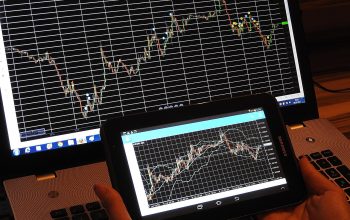
The advent of online trading platforms has revolutionized the way people interact with financial markets. Gone are the days when trading was limited to physical exchanges with strict opening hours and geographic restrictions. Today, anyone with an internet connection can access forex, stocks, and commodity markets anytime, anywhere. This remarkable accessibility has opened doors for individual investors, enabling them to participate in global markets previously dominated by large institutions.
This article explores how online trading platforms provide round-the-clock access to these major asset classes—forex, stocks, and commodities—and what advantages this continuous access brings to traders worldwide. It highlights the technologies, market structures, and features that facilitate 24/7 trading and the empowerment this creates for market participants.
The Shift to Online Trading
Before the internet era, trading in financial markets was constrained by physical locations and limited trading hours. Stock markets operated during set hours on weekdays, commodities exchanges followed similar schedules, and forex trading was generally the domain of banks and large financial firms due to the need for massive capital and sophisticated systems.
The digital transformation changed everything. Online trading platforms emerged, providing individual traders with direct access to multiple asset classes. With these platforms, the traditional barriers of time, place, and scale began to dissolve. By leveraging internet connectivity and advanced computing, traders could engage in markets at any time, greatly expanding the potential for participation and profit.
24/7 Market Access Explained
Not all financial markets operate on the same schedule, but online trading platforms have integrated these differences in a seamless way, enabling continuous trading opportunities. Among the three major asset classes—forex, stocks, and commodities—there are distinct patterns and trading hours.
- Forex markets are the most continuous, operating 24 hours a day during weekdays. Because currency trading involves global participants across different time zones, forex markets never truly close from Monday morning in Asia to Friday evening in New York.
- Stock markets typically have defined opening and closing hours specific to their country or exchange. However, online platforms often offer access to multiple stock exchanges worldwide, allowing traders to take advantage of different time zones and trade some international stocks outside of their home market hours via pre-market or after-hours trading.
- Commodity markets generally follow exchange-specific hours but some commodities like gold and oil also trade on electronic platforms nearly 24/7, enabling traders to respond quickly to supply, demand, and geopolitical factors.
Through online trading, traders can access these markets continuously or during their respective trading hours, ensuring they never miss critical opportunities caused by market-moving events.
Forex Market’s Around-the-Clock Nature
The forex market’s 24-hour operation is driven by the fact that it encompasses all the major financial centers around the world, including Sydney, Tokyo, London, and New York. As one major market closes, another opens, creating an overlapping chain of trading sessions.
Online platforms capitalize on this by providing traders with live price feeds and the ability to place trades at any time during the week. This allows traders to react instantly to geopolitical developments, economic data releases, or central bank announcements regardless of the time of day.
This continuous access is particularly beneficial for day traders and scalpers who rely on small price movements to generate profits. The nonstop nature of forex trading means there is always liquidity and opportunity for market engagement.
Access to Global Stock Markets Beyond Traditional Hours
While individual stock exchanges have fixed hours, online trading platforms provide extended access to stock markets globally. This is achieved through multiple mechanisms:
- Pre-market and after-hours trading: Many platforms allow trading before and after the official market hours. This extended access enables traders to react to earnings reports, news releases, and global events that occur outside regular sessions.
- International market access: Traders can access stock exchanges from different countries, each with its own trading schedule. For instance, while the New York Stock Exchange is closed, the Tokyo Stock Exchange might be open, allowing round-the-clock trading on a broader scale.
- Exchange-traded funds (ETFs) and other instruments: ETFs often trade in extended hours, providing additional flexibility for investors to gain exposure to various markets even when the underlying stock markets are closed.
These features collectively ensure that traders can respond quickly to market developments, hedge their positions, or capitalize on arbitrage opportunities across different time zones.
Commodity Markets with Increasing Flexibility
Commodity markets, which include energy products like oil and natural gas, metals like gold and silver, and agricultural products such as wheat and coffee, have traditionally operated during set hours on exchanges like the Chicago Mercantile Exchange.
However, electronic trading platforms now provide near-24/7 access to many commodities through futures contracts and other derivatives. These electronic platforms keep markets open outside regular exchange hours, allowing participants to manage risk and respond to global events anytime.
This increased flexibility is crucial because commodity prices are highly sensitive to geopolitical tensions, weather changes, and supply disruptions, which can happen unpredictably. Immediate access enables traders to adjust their positions and take advantage of price volatility without waiting for the market to officially open.
Technological Infrastructure Behind Continuous Access
The ability to access multiple markets anytime depends heavily on the technological backbone of online trading platforms. Advanced servers, direct connections to exchanges, and high-speed data feeds enable the delivery of real-time prices and order execution without delay.
- Real-time market data: Continuous streams of live data ensure that traders see up-to-the-second price movements, which is critical for timely decision-making.
- Order routing systems: Sophisticated algorithms route orders to the most appropriate exchanges or liquidity providers to ensure fast execution even during volatile periods.
- Cloud computing and mobile technology: Cloud infrastructure supports the scalability of trading platforms, allowing thousands of users to trade simultaneously without lag. Mobile apps bring this capability to smartphones, enabling trading on the go.
- Security protocols: Ensuring that real-time access is safe is equally important. Encryption, two-factor authentication, and regulatory compliance protect traders’ data and funds as they engage with markets continuously.
Together, these technologies create an environment where market access is stable, secure, and efficient regardless of time or location.
Benefits of Anytime Market Access for Traders
The ability to trade forex, stocks, and commodities anytime offers several advantages:
- Flexibility: Traders can fit trading activities around their personal schedules rather than being constrained by market hours.
- Responsiveness: Immediate access allows traders to respond swiftly to breaking news or market-moving events.
- Diversification: Access to multiple global markets across different time zones helps traders diversify portfolios and spread risk.
- Arbitrage opportunities: Traders can exploit price discrepancies between markets that operate in different hours.
- Risk management: Continuous access enables more effective hedging and adjustment of positions to manage exposure.
These benefits translate into enhanced potential for profit, reduced risk, and greater control over trading strategies.
Challenges and Considerations
Despite the many advantages, trading anytime also presents challenges:
- Market volatility: Off-hours trading can be less liquid, leading to wider spreads and potential price gaps.
- Information overload: Continuous access requires traders to filter and prioritize news and data to avoid being overwhelmed.
- Emotional stress: The temptation to trade nonstop can lead to burnout or poor decision-making.
- Cost considerations: Extended trading hours may involve higher fees or different margin requirements.
Successful traders recognize these challenges and develop disciplined routines, use appropriate risk controls, and choose platforms that provide transparent pricing and reliable execution.
Role of Education and Support
Online trading platforms often complement their services with educational resources, including webinars, tutorials, and market analysis, which help traders understand the nuances of trading across different markets and time zones. Learning about market hours, liquidity characteristics, and trading strategies for forex, stocks, and commodities is vital to making the most of 24/7 access.
Support services such as customer care, technical assistance, and community forums further empower traders to navigate challenges and optimize their trading experience.
Future Trends in 24/7 Market Access
As technology advances, market access is expected to become even more seamless and integrated. Artificial intelligence and machine learning may offer smarter trading tools that analyze global market conditions continuously and execute trades automatically based on predefined strategies.
Blockchain technology could facilitate decentralized exchanges operating around the clock with increased transparency and reduced settlement times. Virtual and augmented reality might provide immersive trading environments, enhancing engagement and decision-making.
The trend toward globalization and technological innovation points toward a future where trading anytime is not just a feature but the norm, fostering an even more inclusive and dynamic financial ecosystem.
Conclusion
Online trading platforms have fundamentally changed how traders interact with forex, stocks, and commodity markets by providing access anytime, anywhere. This shift has removed traditional barriers, allowing traders to capitalize on opportunities around the clock, manage risk more effectively, and diversify their investments on a global scale.
The continuous access enabled by technological advancements has made markets more liquid, transparent, and accessible than ever before. While challenges remain, the benefits of trading anytime through online platforms empower traders with unprecedented flexibility and control.
As markets evolve and technology progresses, the ability to engage in financial markets 24/7 will become increasingly important. Online trading platforms stand at the forefront of this evolution, transforming how individuals participate in the global economy and shaping the future of investing.