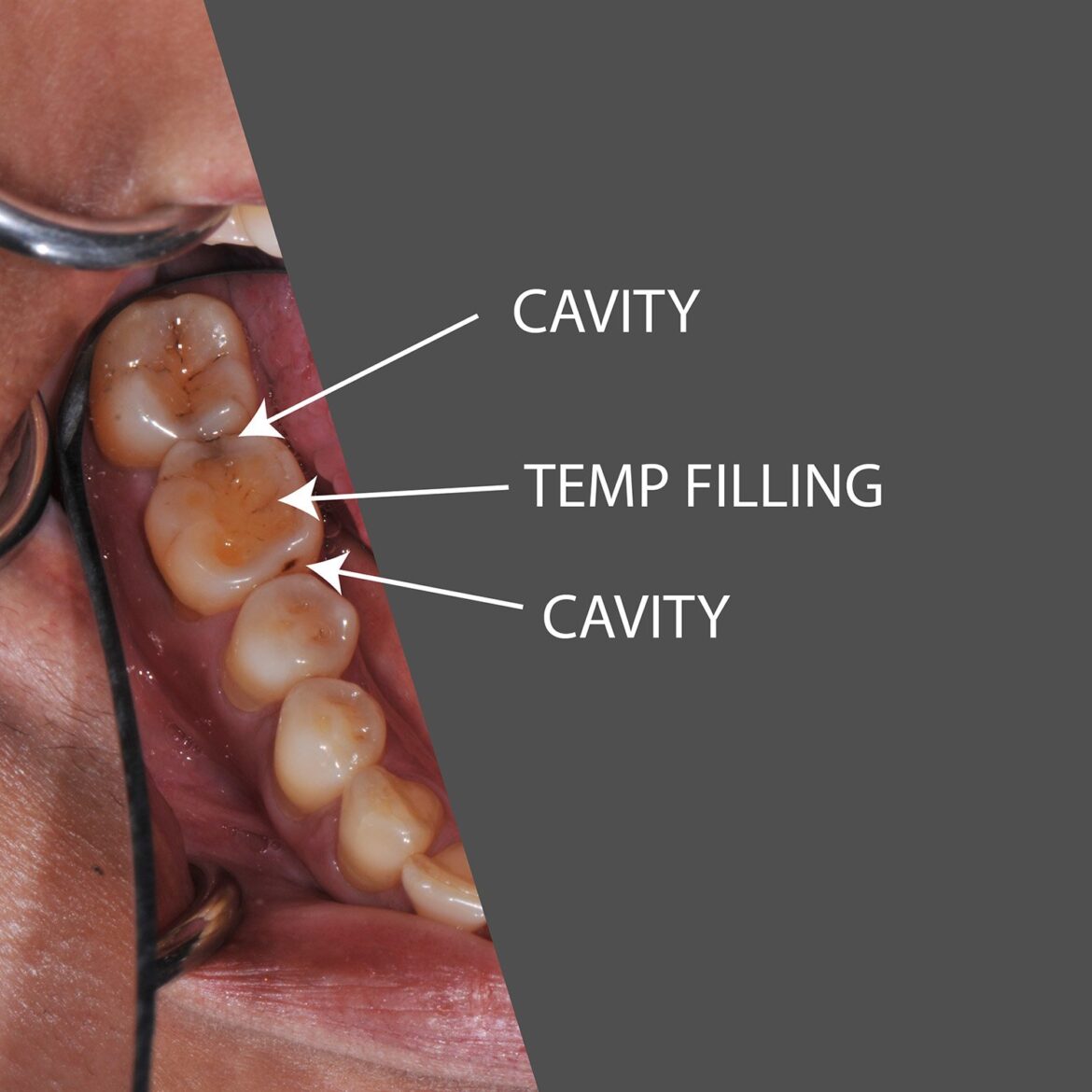
A cavity filling typically takes about 30 to 60 minutes. The process may seem daunting for some, but understanding the timeline can ease any apprehension. From the initial numbing to the actual filling procedure, each step plays a crucial role in restoring your dental health. Patients often wonder: how long does a cavity filling take? Let’s delve deeper into this common dental procedure to shed light on what to expect during your next visit.

How Long Does a Cavity Filling Take
Introduction
So, you’re off to the dentist to get that cavity filled. But before you go, you might be wondering, “How long does a cavity filling take?” Well, let’s dive into the details to help you understand the process and ease any worries you may have.
Understanding Cavities
First things first, let’s talk about what a cavity is. A cavity is a small hole that forms in a tooth due to tooth decay. When you eat sugary or starchy foods, bacteria in your mouth produce acids that can weaken your tooth enamel over time, leading to cavities. If left untreated, cavities can cause pain and more significant dental problems.
The Cavity Filling Procedure
When you visit the dentist for a cavity filling, the process typically goes like this:
1. **Numbing**: To ensure you don’t feel any pain during the procedure, the dentist will numb the area around the tooth with a local anesthetic.
2. **Removing Decay**: The dentist will use a drill or laser to remove the decayed part of the tooth, leaving behind a clean area for the filling.
3. **Filling Placement**: Once the decay is removed, the dentist will fill the cavity with a suitable filling material, such as amalgam, composite resin, or gold.
Types of Fillings
There are different types of fillings available, each with its own set of pros and cons:
– **Amalgam Fillings**: Made of a mix of metals, these fillings are durable but less aesthetically pleasing.
– **Composite Fillings**: These tooth-colored fillings blend in with your natural teeth but may not be as long-lasting as amalgam fillings.
– **Gold Fillings**: While expensive, gold fillings are highly durable and can last for many years.
Factors Affecting Treatment Time
Now, let’s get to the question at hand: How long does a cavity filling take? The time it takes to fill a cavity can vary based on several factors:
– **Size of the Cavity**: Larger cavities may require more time to fill properly.
– **Type of Filling**: Some filling materials take longer to place than others.
– **Location of the Cavity**: Cavities in hard-to-reach areas may take longer to fill.
Dentist’s Experience
The experience of your dentist also plays a role in how long the procedure takes. A more experienced dentist may work more efficiently, reducing the overall treatment time.
Typical Duration of a Cavity Filling
On average, a cavity filling procedure can take anywhere from 20 minutes to an hour. However, this timeframe can vary depending on the complexity of the cavity and the type of filling used. It’s essential to discuss the estimated treatment time with your dentist before the procedure.
Aftercare Tips
Once your cavity is filled, it’s essential to take care of your oral health to prevent future cavities. Here are some aftercare tips:
– **Brush and Floss Regularly**: Maintaining good oral hygiene is crucial in preventing cavities.
– **Visit Your Dentist Regularly**: Schedule regular check-ups to catch any potential issues early on.
– **Watch Your Diet**: Limit sugary and starchy foods that can contribute to tooth decay.
So, there you have it – a detailed look at how long a cavity filling takes and what you can expect during the procedure. Remember, getting a cavity filled is a common dental procedure that can help preserve your oral health and prevent further complications. If you have any concerns or questions, don’t hesitate to reach out to your dentist for guidance.
Whether your cavity filling takes 20 minutes or an hour, the most important thing is to prioritize your oral health and take care of your teeth for a bright and healthy smile!
Dentist Filling A Cavity Between Teeth
Frequently Asked Questions
How long does a cavity filling procedure typically last?
A cavity filling procedure usually takes about 30 minutes to an hour, depending on the size and location of the cavity. The dentist will first numb the area, remove the decayed part of the tooth, and then fill it with a suitable material like composite resin or amalgam.
Can a cavity filling be completed in a single dental visit?
Yes, in most cases, a cavity filling can be completed in a single dental visit. The dentist will assess the situation and decide on the best approach. If it’s a straightforward procedure, it can often be done in one appointment.
Is there any discomfort during or after a cavity filling procedure?
During the cavity filling procedure, the dentist will use local anesthesia to numb the area, so you should not feel any pain. However, you might experience some sensitivity or discomfort after the procedure, which usually goes away within a few days.
Final Thoughts
In summary, the duration of a cavity filling procedure typically ranges from 20 minutes to an hour, depending on the complexity and size of the cavity. The dentist will first numb the area and then proceed with removing the decayed portion, followed by filling the cavity with the appropriate material. Throughout the process, the patient should feel little to no discomfort. Overall, the question of ‘how long does a cavity filling take’ can be answered by considering the individual case and the dentist’s efficiency.


