Clouds glide across the sky at varying speeds, driven by the invisible hands of the wind. How fast do clouds move, you wonder? Let’s uncover the dynamic journey of these fluffy formations through the expanse of the atmosphere. As we delve into the fascinating world above, we’ll reveal the factors influencing cloud speed and the mesmerizing interplay between nature’s elements. Join us on this exploration of the ever-moving canvas above us, where clouds paint stories across the celestial stage.

Exploring the Mystery: How Fast Do Clouds Move?
Clouds are one of nature’s most captivating and constantly changing spectacles in the sky. Have you ever looked up at the clouds and wondered, “How fast do clouds move?” In this blog post, we will unravel the fascinating world of cloud movements, exploring the different types of clouds, the factors that influence their speed, and some incredible facts about clouds that will leave you amazed.
The World Above: Understanding Cloud Movement
Clouds are not stationary objects in the sky; they are dynamic and constantly on the move. The speed at which clouds travel can vary depending on several factors, such as the altitude, wind patterns, and the type of cloud. Understanding how fast clouds move requires a closer look at these variables.
Types of Clouds and Their Speed
Clouds come in various shapes and sizes, each with its own unique characteristics. Some clouds, like cumulus clouds, are puffy and white, while others, such as cirrus clouds, are wispy and feathery. The type of cloud can affect its speed of movement across the sky.
– **Cumulus Clouds**: These fluffy clouds are often seen on sunny days and can move at a moderate pace, drifting along with the wind currents.
– **Stratus Clouds**: These low-lying layers of clouds can move relatively slowly, creating a gloomy overcast sky.
– **Cirrus Clouds**: High-altitude cirrus clouds are known for their delicate, wispy appearance and can travel at faster speeds due to the strong winds at higher altitudes.
Wind Patterns and Cloud Movement
One of the most significant factors influencing the speed of clouds is the wind. Just as we feel the breeze on the ground, the wind blows at different speeds and directions at various altitudes. These wind patterns can propel clouds across the sky, creating mesmerizing displays of movement.
– **Jet Streams**: High-altitude jet streams are fast-flowing air currents that can push clouds along at remarkable speeds, especially at higher altitudes where they can reach hundreds of kilometers per hour.
– **Local Winds**: Near the surface, local wind patterns, such as sea breezes or mountain winds, can also influence the speed and direction of cloud movement in specific regions.
From Whispers to Roars: The Speeds of Clouds
Now that we’ve explored the factors that influence cloud movement, let’s delve into some fascinating facts about how fast clouds can travel across the sky. Clouds may appear gentle and peaceful, but their speeds can range from calm drifts to breathtaking races.
– **Average Cloud Speed**: On average, clouds move at speeds ranging from 10 to 40 kilometers per hour. This speed is relatively slow and allows us to observe their graceful motion in the sky.
– **Storm Clouds**: During thunderstorms, dark and ominous storm clouds can accelerate to speeds of 50 kilometers per hour or more, racing across the sky as they unleash lightning and rain.
– **High-Altitude Clouds**: Cirrus clouds at the highest levels of the atmosphere can travel at incredible speeds, sometimes exceeding 100 kilometers per hour as they streak across the sky like wisps of vapor.
Cloud Chasers: The Art of Observing Cloud Movement
If you’ve ever gazed at the sky and marveled at the dance of the clouds, you might be interested in observing their movement more closely. Cloud watching can be a relaxing and rewarding activity, allowing you to appreciate the beauty and dynamics of the sky above.
– **Time-Lapse Photography**: Capturing the movement of clouds through time-lapse photography can reveal the subtle shifts and transformations that occur as they drift across the sky.
– **Cloud Identification**: By learning to identify different types of clouds and understanding their characteristics, you can predict their movement patterns and appreciate the unique qualities of each cloud formation.
Concluding Thoughts
In conclusion, the question “How fast do clouds move?” unveils a world of wonder and curiosity above us. Clouds, with their ever-changing shapes and speeds, remind us of the dynamic nature of the atmosphere and the interconnectedness of Earth’s systems. Next time you look up at the sky, take a moment to observe the gentle journey of the clouds as they glide across the heavens, a silent but captivating spectacle of nature’s beauty.
Kevin's Classroom: How fast do clouds move?
Frequently Asked Questions
How quickly do clouds move across the sky?
Clouds typically move at varying speeds depending on the altitude and weather conditions. On average, low-level clouds like stratus clouds move at speeds of 30-40 kilometers per hour, while higher-level clouds such as cirrus clouds can travel faster at over 100 kilometers per hour.
What factors influence the speed of cloud movement?
The speed at which clouds move is influenced by several factors including wind patterns, atmospheric pressure, and the altitude of the clouds. Stronger winds at higher altitudes can accelerate cloud movement, while stable atmospheric conditions may result in slower cloud speeds.
Can clouds move in different directions at the same time?
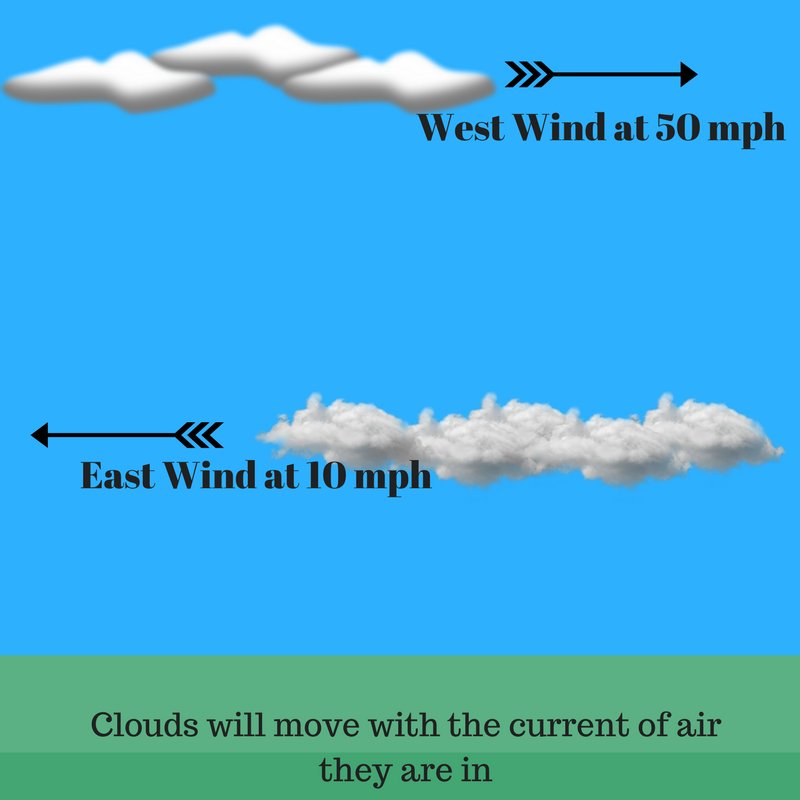
Yes, it is possible for clouds at different altitudes to move in various directions simultaneously. This phenomenon, known as wind shear, occurs when there are significant differences in wind speed and direction between layers of the atmosphere, causing clouds to drift in separate paths.
Final Thoughts
Clouds can move at various speeds depending on the altitude and weather conditions. Lower-level clouds can travel between 10 to 20 miles per hour, while high-altitude clouds can travel much faster, reaching speeds of up to 100 miles per hour. Understanding how fast clouds move is crucial for predicting weather patterns accurately. Keep in mind that the speed of clouds is not constant and can change rapidly based on wind patterns and atmospheric conditions. So, next time you look up at the sky, remember to consider just how fast those clouds are drifting by.


